


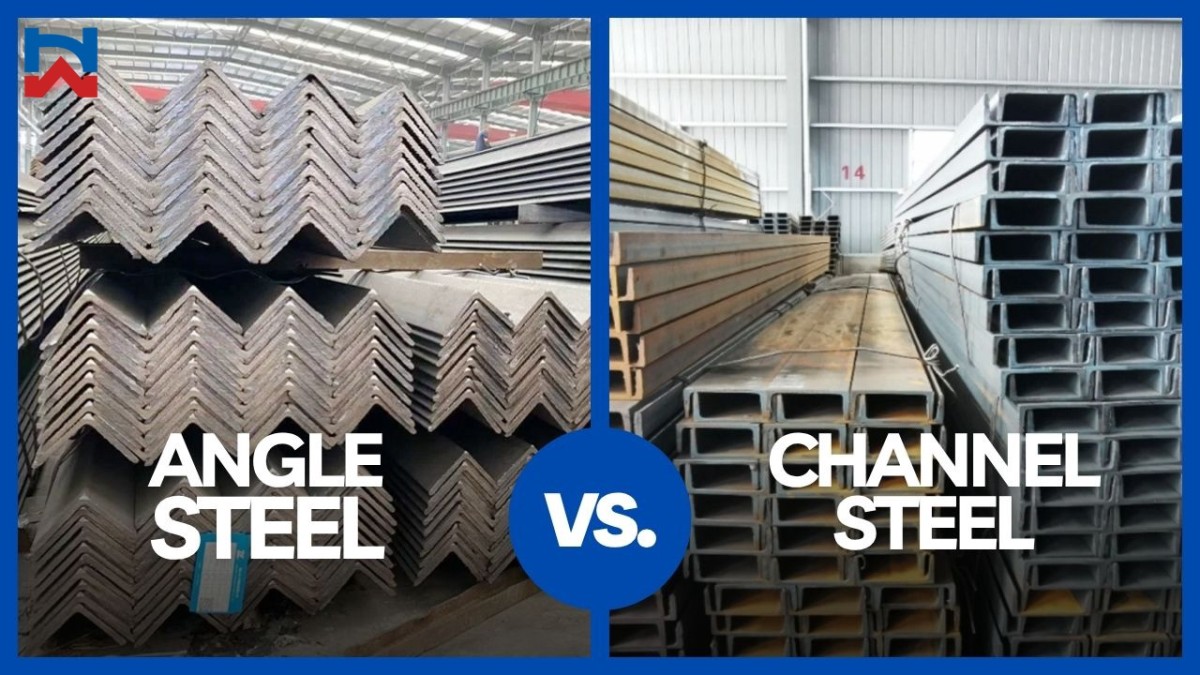
Angle steel and channel steel are two common structural profiles in engineering, but their applications differ significantly. Choosing the right profile can improve structural safety, reduce costs, and accelerate construction efficiency. This article compares them in terms of mechanical properties, size range, usage scenarios, and pricing factors to help you select the most suitable material for your project.
In the world of structural steel, angle steel and channel steel are among the most widely used profiles. Both are essential for building frames, support systems, and load-bearing components, but their unique designs and properties make them suitable for different applications. Whether you are working on a construction project, machinery manufacturing, or industrial fabrication, understanding the differences between these two profiles is crucial for making informed procurement decisions.
What is Angle Steel?
Angle steel, also known as L-steel or angle iron, is a structural steel profile with an L-shaped cross-section. It is formed by rolling two flat steel plates at a right angle (90 degrees), creating a strong, rigid profile. Angle steel is available in two types: equal angle steel (both legs are the same length) and unequal angle steel (the legs are of different lengths). This versatility makes it suitable for a wide range of applications.
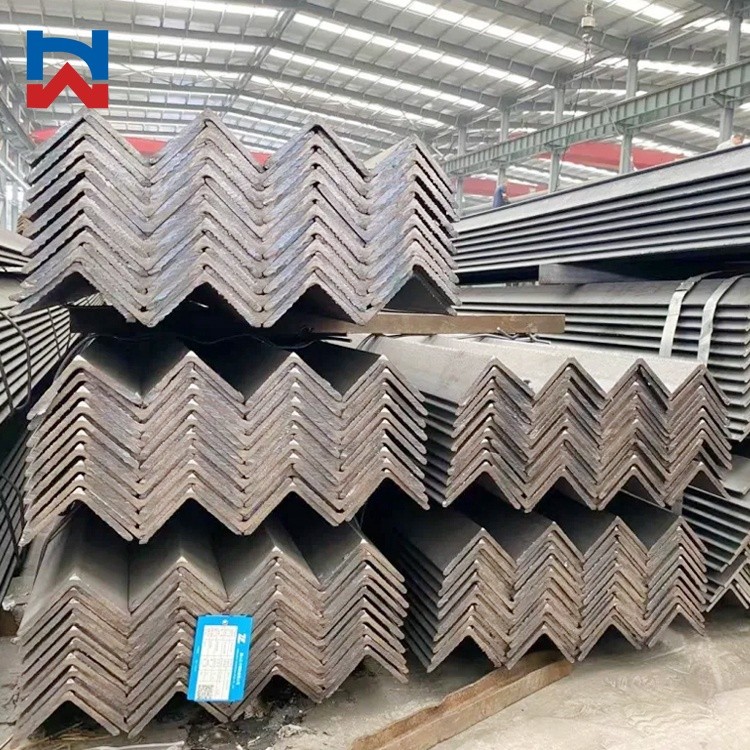
Key characteristics of angle steel include:
- High rigidity and stability: The L-shaped design provides excellent resistance to bending and torsion, making it ideal for structural support.
- Easy to weld and fabricate: Angle steel can be easily cut, drilled, and welded to other steel components, allowing for flexible installation.
- Cost-effective: Compared to other structural profiles, angle steel is relatively affordable, making it a popular choice for budget-conscious projects.
- Wide size range: Angle steel is available in various leg lengths (from 20mm to 200mm) and thicknesses (from 3mm to 20mm), ensuring compatibility with different project requirements.
What is Channel Steel?
Channel steel, also known as C-steel or U-steel (depending on the cross-section), is a structural steel profile with a C-shaped cross-section. It features a flat web and two vertical flanges, creating a profile that is strong in bending and shear. Channel steel is commonly used in applications where high load-bearing capacity is required, such as building frames and bridge supports.
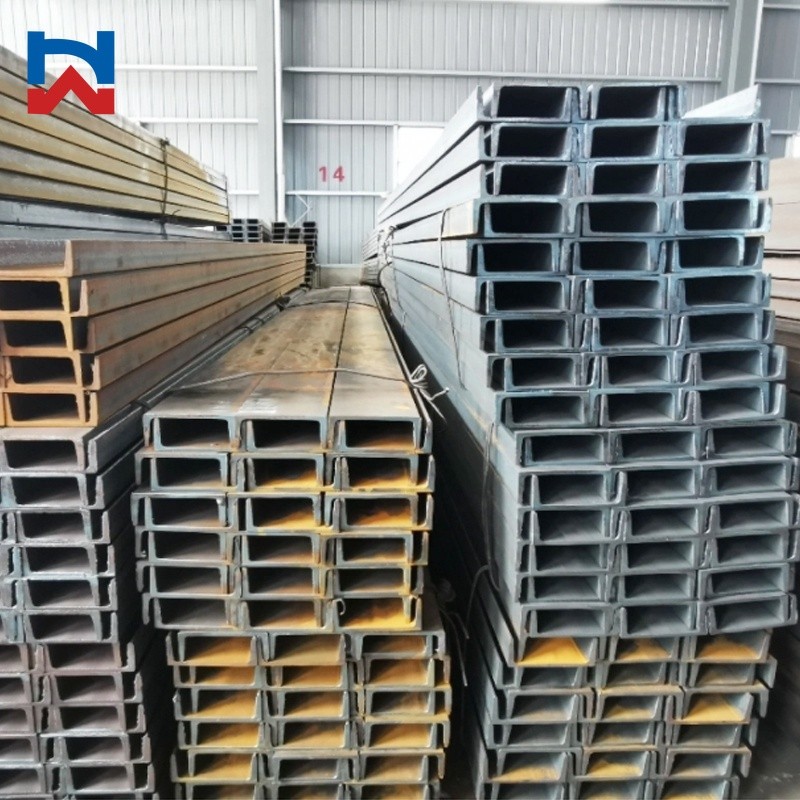
Key characteristics of channel steel include:
- High load-bearing capacity: The C-shaped design distributes weight evenly, making it suitable for supporting heavy loads.
- Excellent bending resistance: The flanges provide additional support, enhancing the profile’s resistance to bending and deformation.
- Versatile installation: Channel steel can be used as beams, columns, or support brackets, and can be easily connected to other steel components.
- Available in standard and custom sizes: Channel steel is available in various web heights (from 50mm to 400mm) and flange widths (from 30mm to 150mm), with customization options for special projects.
Angle Steel vs. Channel Steel: Key Differences
To help you choose the right profile for your project, we have compiled a detailed comparison of angle steel and channel steel in terms of mechanical properties, applications, cost, and installation.
1. Mechanical Properties
Angle steel is primarily designed for lateral support and bracing. Its L-shaped cross-section provides good rigidity, but it has limited load-bearing capacity compared to channel steel. Angle steel is best suited for applications where the load is distributed evenly and the profile is not subjected to heavy bending.
Channel steel, on the other hand, is designed for load-bearing applications. Its C-shaped cross-section provides excellent bending resistance and shear strength, making it suitable for supporting heavy loads, such as building beams and bridge supports. Channel steel can withstand higher lateral pressure and is more stable than angle steel in large-scale structures.
2. Application Scenarios
Angle steel is commonly used in the following applications:
- Building frames: Angle steel is used to connect beams and columns, providing lateral support and stability.
- Bracing systems: It is used in trusses and frames to prevent deformation and ensure structural integrity.
- Machinery manufacturing: Angle steel is used to fabricate machine frames, brackets, and supports.
- Fencing and enclosures: It is used to construct fences, railings, and enclosures for industrial and residential areas.
- Small-scale projects: Angle steel is ideal for small construction projects, such as sheds, garages, and temporary structures.
Channel steel is commonly used in the following applications:
- Building beams and columns: Channel steel is used as main beams and columns in high-rise buildings, industrial workshops, and warehouses.
- Bridge construction: It is used in bridge decks, supports, and abutments, providing strong load-bearing capacity.
- Heavy machinery: Channel steel is used to fabricate the frames of heavy machinery, such as cranes and excavators.
- Infrastructure projects: It is used in highways, railways, and port facilities, where high strength and durability are required.
- Large-scale industrial projects: Channel steel is ideal for large industrial projects, such as power plants and chemical factories.
3. Cost Comparison
In general, angle steel is more cost-effective than channel steel. This is because angle steel has a simpler design and requires less raw material to produce. For small-scale projects or applications where high load-bearing capacity is not required, angle steel is a more affordable choice.
Channel steel, however, is more expensive due to its complex design and higher raw material requirements. However, its superior load-bearing capacity and durability make it a cost-effective choice for large-scale projects, where structural safety is a top priority. The higher initial cost of channel steel is often offset by its long service life and reduced maintenance costs.
4. Installation and Fabrication
Angle steel is easy to install and fabricate. It can be cut, drilled, and welded using standard tools, making it suitable for on-site fabrication. Angle steel is also lightweight, making it easy to transport and handle, which reduces installation time and costs.
Channel steel is slightly more complex to install and fabricate. Its C-shaped design requires precise cutting and welding to ensure proper alignment and connection. However, channel steel is still relatively easy to work with, and most construction teams have the expertise to install it efficiently. HW Steel provides detailed installation guidelines to help clients install channel steel correctly.
How to Choose Between Angle Steel and Channel Steel?
When choosing between angle steel and channel steel, consider the following factors:
1. Load Requirements: If your project requires supporting heavy loads or withstanding high lateral pressure, channel steel is the better choice. For light to medium loads and lateral support, angle steel is sufficient.
2. Project Size: For small-scale projects, such as sheds and garages, angle steel is a cost-effective and practical choice. For large-scale projects, such as high-rise buildings and bridges, channel steel is necessary to ensure structural safety.
3. Environmental Conditions: If your project is in a harsh environment, such as marine or industrial areas, both angle steel and channel steel can be galvanized or painted to enhance corrosion resistance. However, channel steel’s larger surface area may require more maintenance to prevent corrosion.
4. Budget: If you have a limited budget, angle steel is the more affordable option. If structural safety and durability are more important than cost, channel steel is worth the investment.
HW Steel’s Angle Steel and Channel Steel Solutions
HW Steel Group offers a comprehensive range of angle steel and channel steel products, including equal/unequal angle steel and standard/custom channel steel. Our products meet international standards, such as ASTM, EN, and GB, ensuring high quality and reliability.
We provide bulk wholesale options for both angle steel and channel steel, helping clients reduce procurement costs. Our team of experts can help you select the right profile for your project, based on your load requirements, project size, and budget. We also offer customization services, including custom sizes, thicknesses, and surface treatments, to meet the unique needs of each project.
In addition, HW Steel offers global delivery and professional technical support, ensuring that your project is completed on time and within budget. Whether you need angle steel for a small-scale project or channel steel for a large infrastructure project, we have the products and expertise to help you succeed.
Conclusion
Angle steel and channel steel are both essential structural profiles, but their unique properties make them suitable for different applications. Angle steel is cost-effective and ideal for light to medium loads and lateral support, while channel steel is strong and durable, making it suitable for heavy load-bearing applications. By considering your project’s load requirements, size, budget, and environmental conditions, you can select the right profile for your project.
HW Steel Group is committed to providing high-quality angle steel, channel steel, and professional solutions to global clients. Contact us today to request a free quote, download our product catalog, or get expert advice on selecting the right structural steel profile for your project.
Latest News
- 304 vs 316 Stainless Steel: Full Buyer Guide for Industrial Sourcing
- Bulk Steel Supply for Southeast Asian Infrastructure Projects
- Steel Sheet Pile Installation Best Practices
- Bulk Wholesale of Steel Profiles: What HW Steel Provides
- How to Choose the Right Structural Steel Grade
- H Beam vs. Universal Beam (I‑Beam): Key Differences & Selection Tips
Send Us A Message